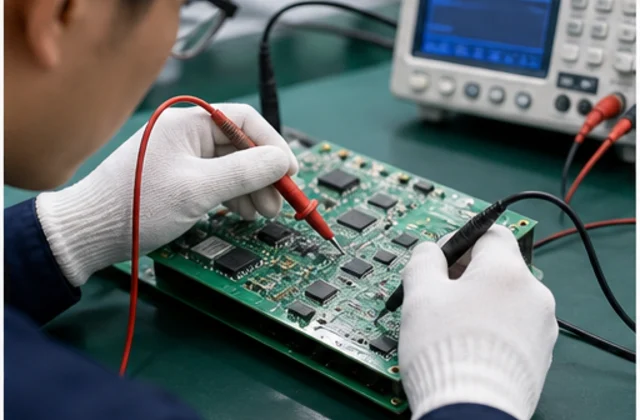
 Functional Inspection
100% tested on professional platforms to ensure stable performance.
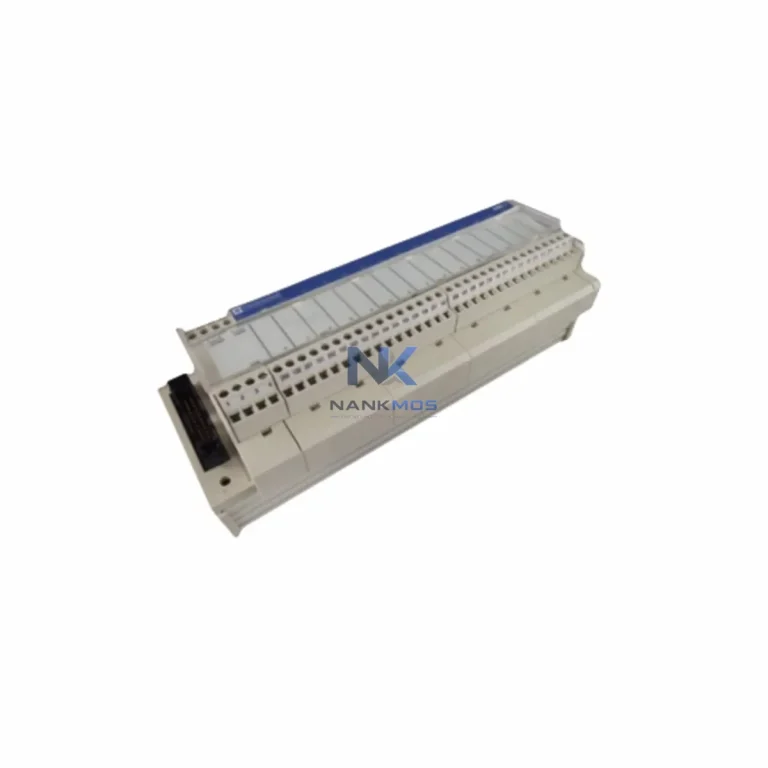
Schneider Electric MT40N1 is a NANKMOS industrial automation product record Listed under Other series series and Business & Industrial > Automation, Control & Flow Devices. Confirm condition, availability, lead time, compatibility and documentation by email inquiry.
Brand names are used for identification only.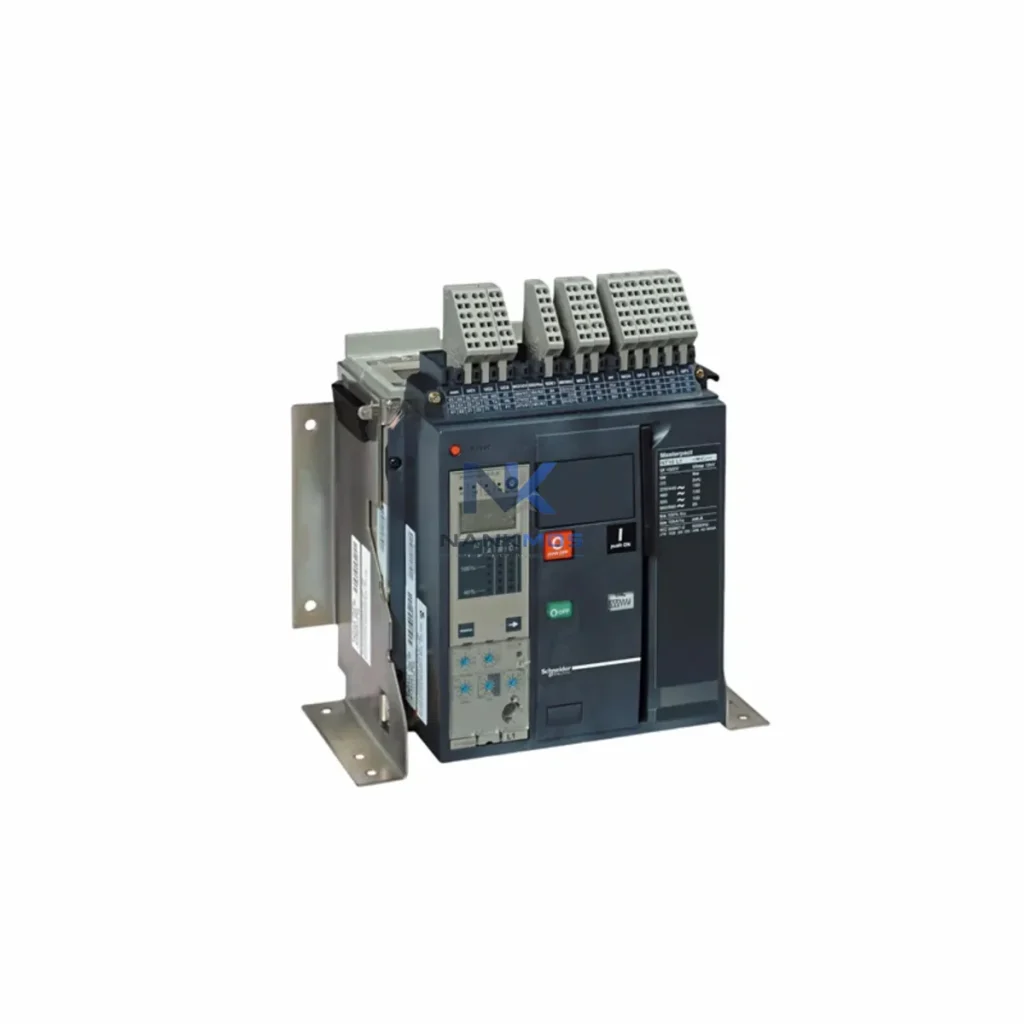
Schneider Electric MT40N1 is a NANKMOS industrial automation product record Listed under Other series series and Business & Industrial > Automation, Control & Flow Devices. Confirm condition, availability, lead time, compatibility and documentation by email inquiry.
| Manufacturer | Schneider Electric |
|---|---|
| Application | Industrial Automation Maintenance |
| Part Number / Model | MT40N1 |
| Compatible System | Confirmed by inquiry |
| Condition Options | To Confirm |
| Module Type | Automation, Control & Flow Devices |
| Warranty | 12 Months |
| Packaging | Anti-static Bag / Secure Box |
| Shipping Methods | DHL / FedEx / UPS / Air / Sea |
| Availability | To Confirm |
| Lead Time | To Confirm |
| Documentation | Part number and revision checked before quote |
The Schneider Electric MT40N1 is a high-performance energy-control air circuit breaker from the renowned Compact NS series, engineered to deliver reliable overcurrent protection, intelligent load management, and measurable energy savings across demanding industrial environments. Designed for integration into smart production lines, the MT40N1 serves as a critical switching and protection node that directly influences the energy efficiency, thermal stability, and operational continuity of automated manufacturing systems.
In modern smart factories, every ampere counts. The MT40N1 is purpose-built to minimise unnecessary energy draw at the distribution level — intercepting fault currents before they cascade into costly downtime, equipment damage, or thermal overload events. Its compact form factor and robust breaking capacity make it an ideal fit for motor control centres, PLC power distribution panels, variable frequency drive (VFD) input protection, and servo drive feeder circuits where precise, repeatable switching performance is non-negotiable.
The MT40N1 does not operate in isolation — it is a foundational element within a layered, power-aware automation architecture. In a typical smart production line, the MT40N1 protects the incoming supply to a Schneider Electric TeSys D LC1D series contactor, which in turn controls the start/stop sequencing of induction motors or servo actuators. Upstream, a Schneider PowerLogic PM5000 series power monitoring unit continuously tracks real-time energy consumption, power factor, and harmonic distortion, feeding this data to the plant's SCADA system for demand-response optimisation.
On the drive side, the MT40N1 is commonly deployed as the feeder protection device ahead of a Schneider Altivar ATV320 variable frequency drive, ensuring that any upstream fault or overload condition is isolated before it can damage the drive's IGBT modules or corrupt its control firmware. The ATV320, in turn, regulates motor speed and torque to match actual production demand — eliminating the energy waste associated with fixed-speed motor operation. This combination of circuit protection and speed regulation can reduce motor energy consumption by 20–50% in variable-load applications such as conveyor systems, pumps, and fans.
For servo-driven axes, the MT40N1 provides feeder protection to Schneider Lexium 32 servo drives and their associated BMH series servo motors, where precise torque control and regenerative braking are used to recover kinetic energy during deceleration cycles. The recovered energy is fed back into the DC bus, reducing net energy draw from the grid and lowering the thermal load on the distribution panel.
At the I/O and sensing layer, the MT40N1-protected distribution rail supplies power to Schneider Modicon TM3 expansion I/O modules mounted on the Modicon M241 or M251 PLC platform. These I/O modules collect real-time signals from current transformers, temperature sensors, vibration monitors, and proximity switches — all of which feed into the PLC's energy management logic. The PLC can then execute load-shedding routines, stagger motor start sequences to avoid demand spikes, and trigger predictive maintenance alerts based on abnormal current signatures detected at the circuit breaker level.
HMI visibility is provided through a Schneider Magelis HMIGTO series touchscreen panel, which displays live energy dashboards, circuit status, and alarm histories. Operators can monitor the MT40N1's upstream load in real time, identify energy-intensive production phases, and adjust scheduling to shift high-load operations to off-peak tariff windows. Communication between the HMI, PLC, and SCADA is handled via Modbus TCP/IP or EtherNet/IP over the plant's industrial Ethernet backbone, with the Schneider ConneXium managed switch providing deterministic, low-latency data exchange across all automation nodes.
Integrating the Schneider MT40N1 into a production line's power distribution architecture delivers measurable improvements across four key energy optimisation dimensions: fault isolation speed, load management granularity, thermal load reduction, and production rhythm stability.
Fault Isolation and Energy Waste Prevention: The MT40N1's fast-acting trip mechanism isolates fault currents within milliseconds, preventing the sustained energy dissipation that occurs when a fault is allowed to persist. In high-density production environments where multiple motor circuits share a common distribution bus, rapid fault isolation prevents sympathetic tripping of adjacent circuits — maintaining production rhythm on unaffected lines while the faulted circuit is safely isolated and inspected.
Load Management and Demand Control: When integrated with a power monitoring system such as the PowerLogic PM5000, the MT40N1 can be incorporated into an automated load-shedding scheme. During peak demand periods, non-critical loads — auxiliary conveyors, cooling fans, lighting circuits — can be selectively de-energised via their respective MT40N1 breakers, reducing peak demand charges and improving the facility's overall power factor. This demand management capability is particularly valuable in facilities operating under time-of-use tariff structures.
Thermal Load Reduction: By maintaining clean, fault-free power distribution, the MT40N1 reduces the incidence of sustained overcurrent events that generate excess heat in cable insulation, motor windings, and drive components. Lower thermal stress translates directly into extended equipment service life, reduced cooling energy requirements, and fewer unplanned maintenance interventions. In high-ambient-temperature environments such as foundries, press shops, and food processing facilities, this thermal management benefit is especially significant.
Production Rhythm and OEE Improvement: Unplanned circuit trips caused by nuisance tripping or inadequate protection coordination are a leading cause of production rhythm disruption. The MT40N1's precise trip characteristic curves, calibrated to the Compact NS series standard, ensure that the breaker trips only when a genuine fault condition exists — not in response to normal motor inrush currents or transient load spikes. This selectivity preserves production continuity, improves Overall Equipment Effectiveness (OEE), and reduces the frequency of manual reset interventions that interrupt operator workflow.
Predictive Maintenance Integration: Modern SCADA platforms can monitor the cumulative trip count and last-trip cause data from smart circuit breakers in the Compact NS family. By tracking these parameters over time, maintenance teams can identify circuits that are approaching end-of-life or experiencing recurring overload conditions — enabling proactive replacement during scheduled maintenance windows rather than reactive replacement after an unplanned failure. This predictive maintenance capability reduces mean time to repair (MTTR) and supports the facility's broader reliability-centred maintenance strategy.
Every MT40N1 unit supplied by NANKMOS is sourced from authorised distribution channels, subjected to pre-shipment functional testing, and covered by a 12-month warranty from the date of shipment. In-stock units are available for immediate dispatch, supporting urgent maintenance requirements and minimising production downtime.
Q1: What energy saving benefits does the Schneider MT40N1 provide in a smart factory environment? The MT40N1 contributes to energy efficiency by providing fast, selective fault isolation that prevents sustained energy waste during fault conditions, enabling load-shedding integration for demand management, and reducing thermal losses through low-resistance contact design. When deployed as part of a coordinated protection scheme alongside Altivar VFDs and PowerLogic power monitors, the MT40N1 supports a holistic energy management strategy that can meaningfully reduce a facility's peak demand charges and overall energy consumption.
Q2: Is the MT40N1 compatible with Schneider Modicon PLC systems and SCADA platforms? Yes. The MT40N1 is fully compatible with Schneider Electric's Modicon automation ecosystem. It can be installed in distribution panels that supply power to Modicon M241, M251, and M340 PLC platforms, as well as their associated TM3 and TM2 I/O expansion modules. For SCADA integration, smart variants in the Compact NS family support Modbus RTU or Modbus TCP/IP communication, enabling real-time circuit status monitoring and remote trip logging within EcoStruxure Plant or third-party SCADA systems.
Q3: Can the MT40N1 replace existing circuit breakers in legacy Compact NS panels, and what is the recommended testing procedure? The MT40N1 is designed for direct replacement of equivalent-rated Compact NS series breakers in existing panel configurations, subject to verification of frame size, pole count, and trip unit compatibility. NANKMOS recommends the following pre-installation verification steps: confirm rated current and breaking capacity match the application requirements; verify mounting rail and terminal compatibility; perform a continuity and insulation resistance test on the replacement unit before energisation; and conduct a functional trip test using a calibrated injection tester to confirm trip characteristic compliance. All NANKMOS-supplied MT40N1 units undergo pre-shipment functional testing prior to dispatch.
Q4: What is the warranty coverage and lead time for the Schneider MT40N1 from NANKMOS? All MT40N1 units supplied by NANKMOS are covered by a 12-month warranty from the date of shipment, covering manufacturing defects and functional failures under normal operating conditions. In-stock units are available for immediate dispatch, with standard lead times of 3–7 business days for international shipments depending on destination. For urgent requirements, expedited shipping options are available upon request. Contact NANKMOS at [email protected] or +86 18359268345 to confirm current stock availability and shipping schedules.
Functional Inspection100% tested on professional platforms to ensure stable performance.
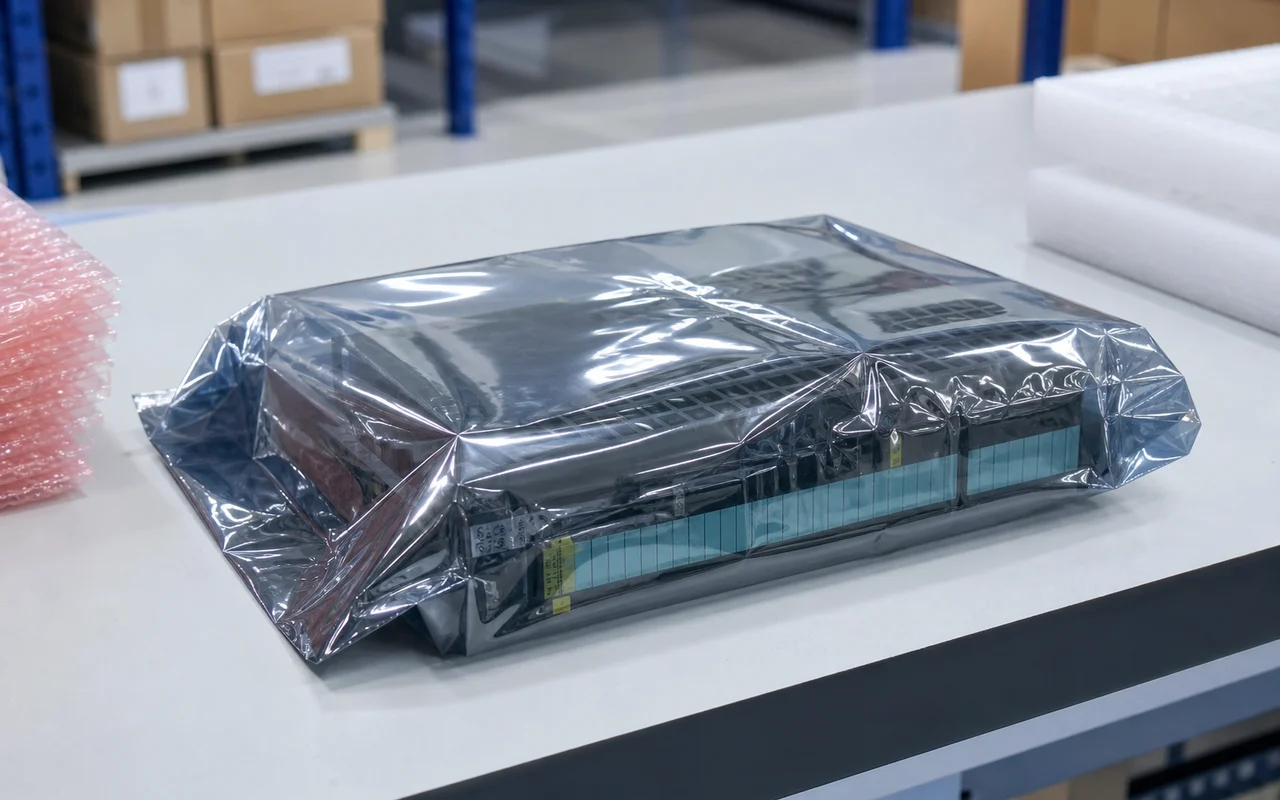 Anti-static Packaging
Modules are packed in anti-static bags to prevent electrostatic damage.
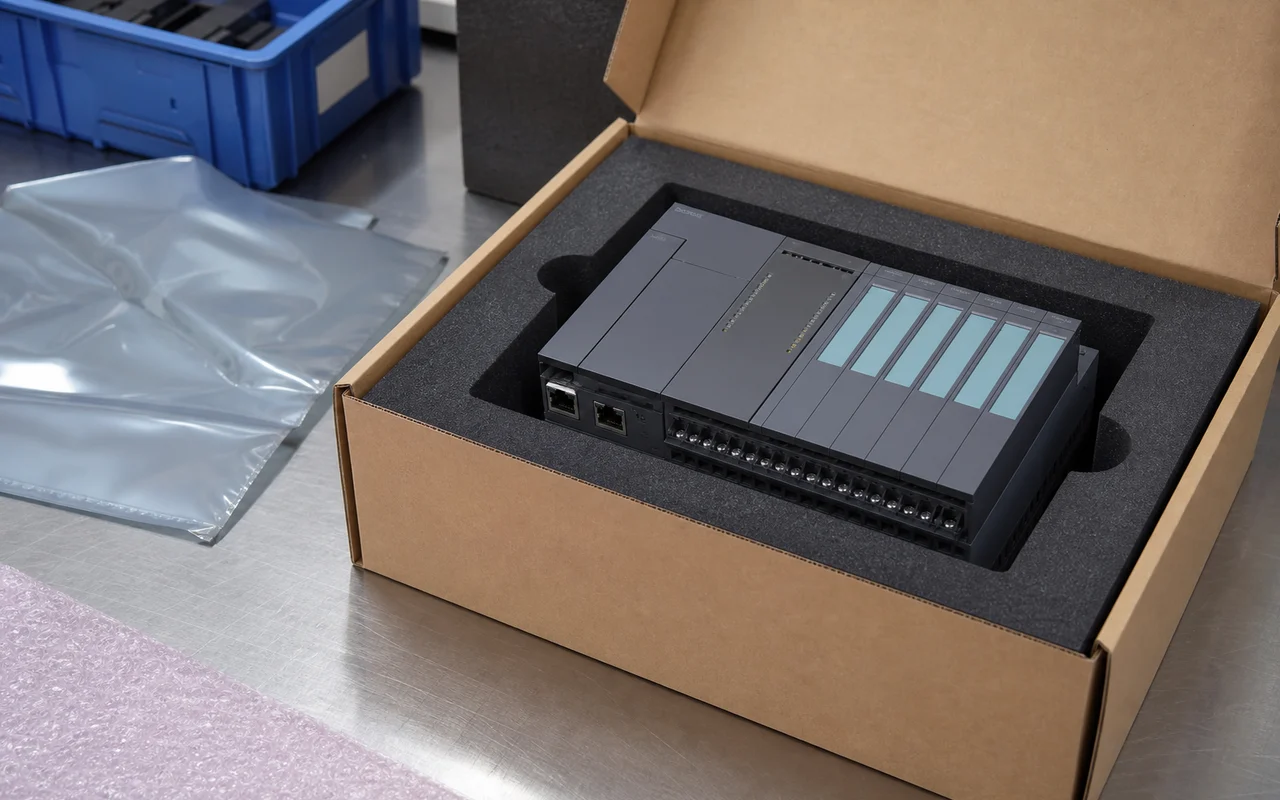 Secure Export Packing
Cushion protection and strong cartons ensure safe transportation.
 Worldwide Shipping
Global logistics network supports air, sea and express delivery.
 Documentation Check
Part number, revision and compatibility verified before shipment.
 After-sales Support
Professional technical support to help resolve your issues.