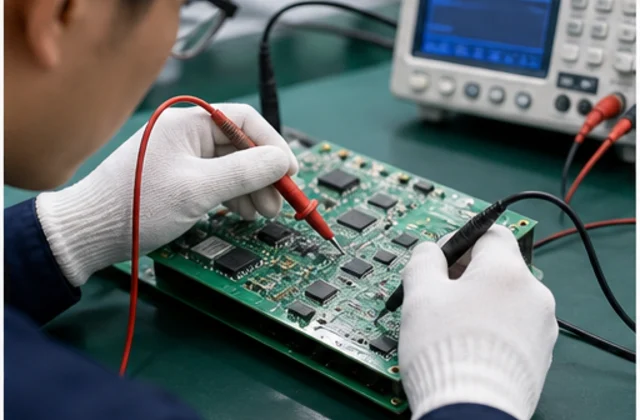
 Functional Inspection
100% tested on professional platforms to ensure stable performance.
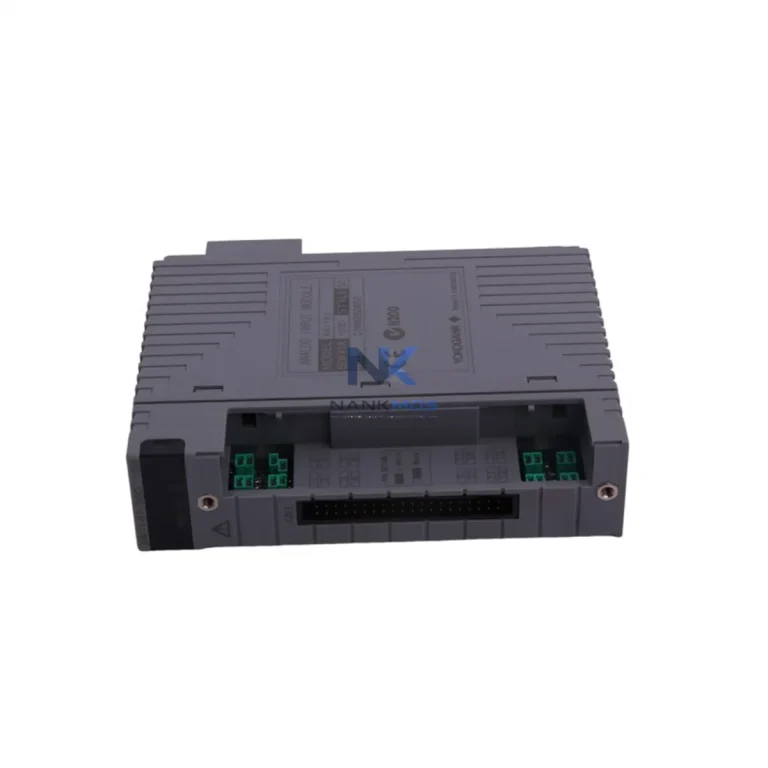
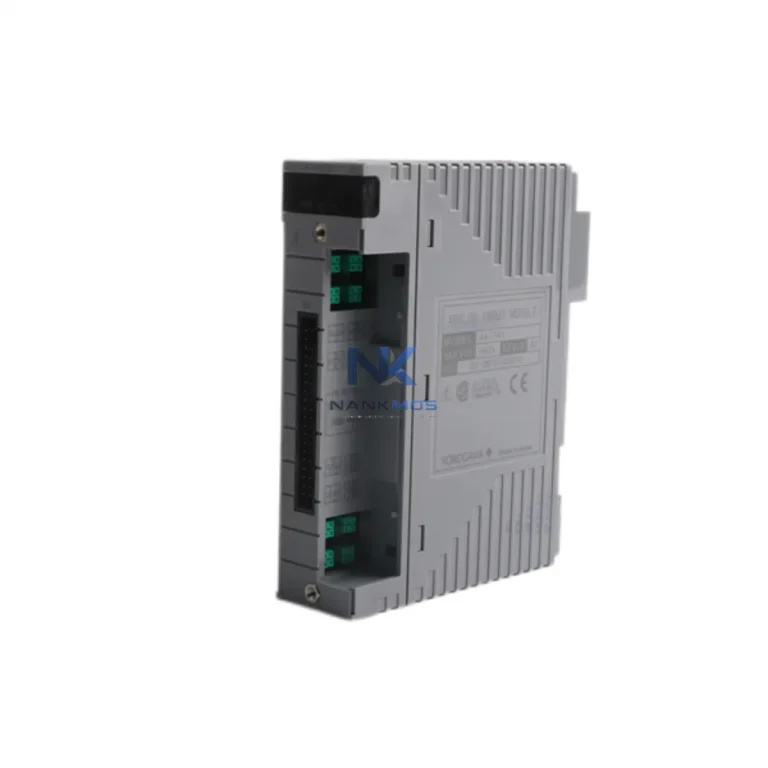
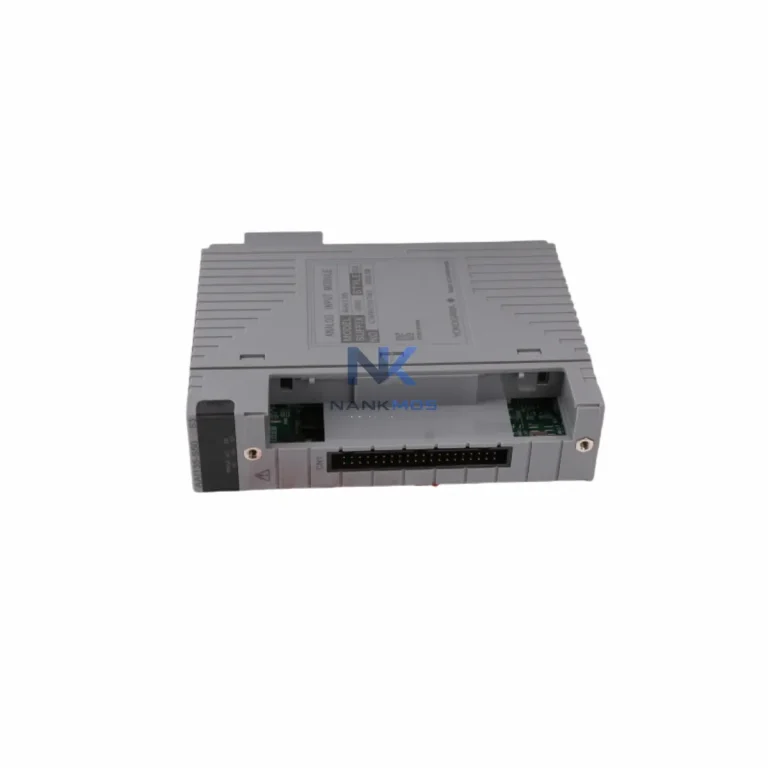
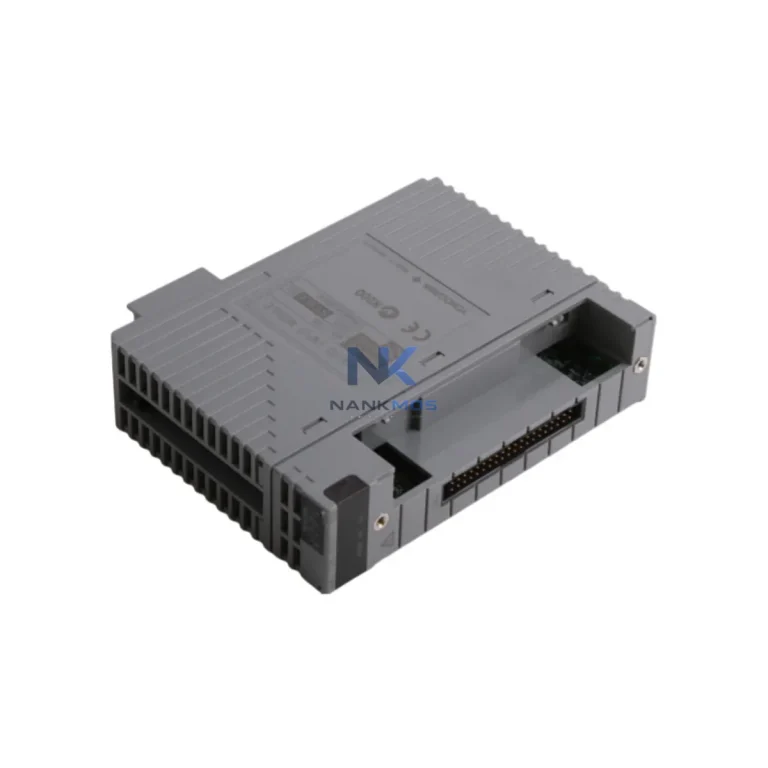
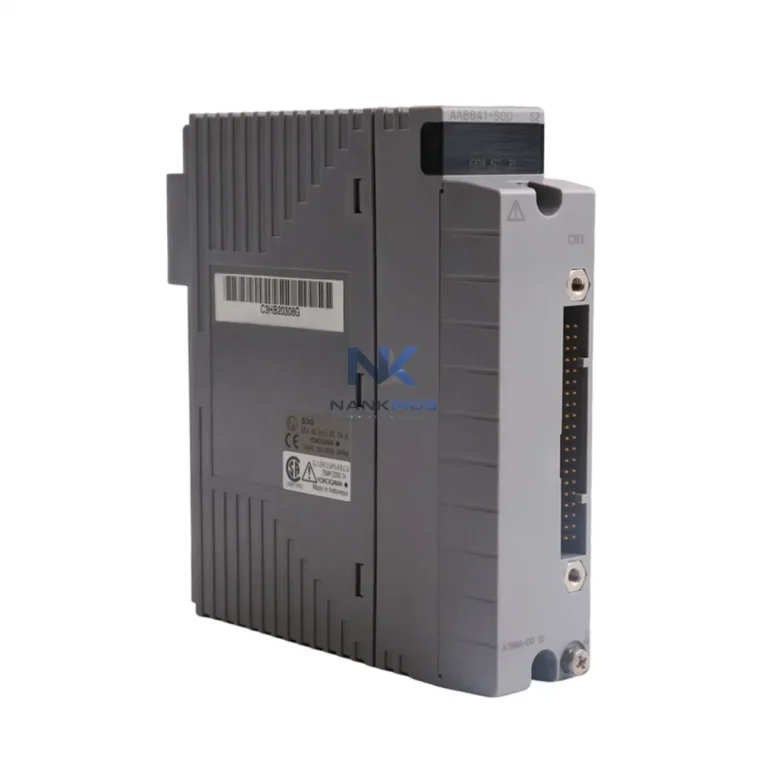
Yokogawa ADV151-P10 is a NANKMOS industrial automation product record Listed under CENTUM VP series and Business & Industrial > Automation, Control & Flow Devices > Programmable Logic Controllers. Confirm condition, availability, lead time, compatibility and documentation by email inquiry.
Brand names are used for identification only.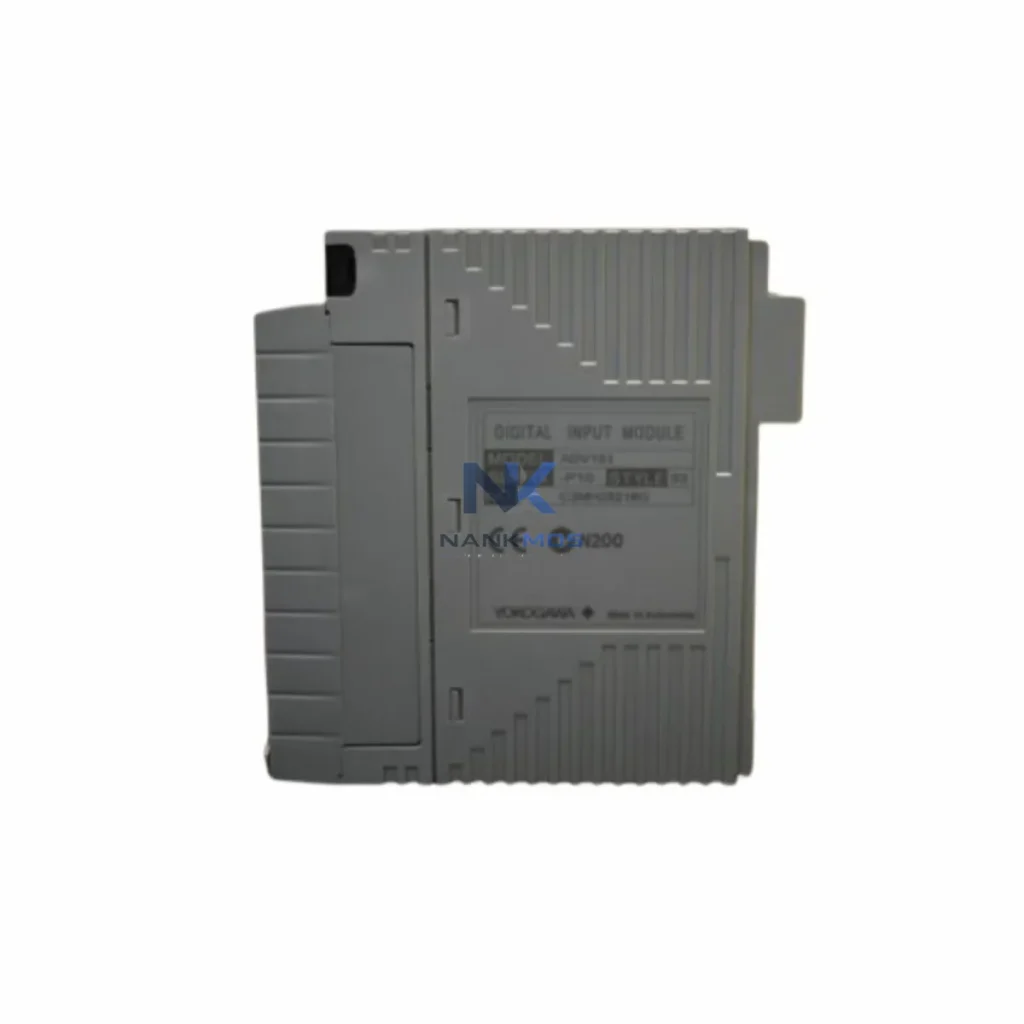
Yokogawa ADV151-P10 is a NANKMOS industrial automation product record Listed under CENTUM VP series and Business & Industrial > Automation, Control & Flow Devices > Programmable Logic Controllers. Confirm condition, availability, lead time, compatibility and documentation by email inquiry.
| Manufacturer | Yokogawa |
|---|---|
| Application | Controller Processing & System Control |
| Part Number / Model | ADV151-P10 |
| Compatible System | CENTUM VP |
| Series | CENTUM VP |
| Condition Options | To Confirm |
| Module Type | Controller / CPU Module |
| Warranty | 12 Months |
| Packaging | Anti-static Bag / Secure Box |
| Shipping Methods | DHL / FedEx / UPS / Air / Sea |
| Availability | To Confirm |
| Lead Time | To Confirm |
| Documentation | Part number and revision checked before quote |
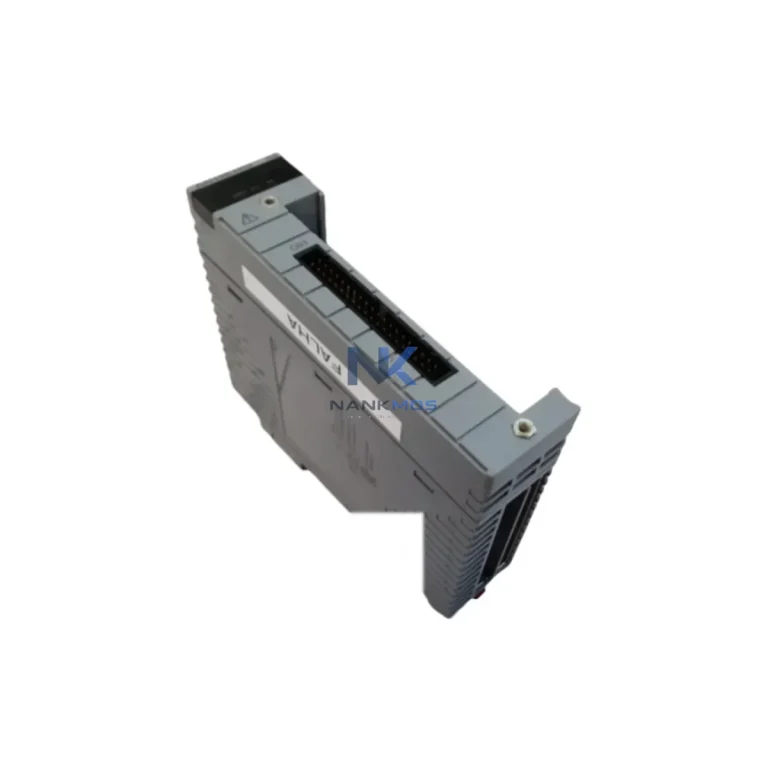
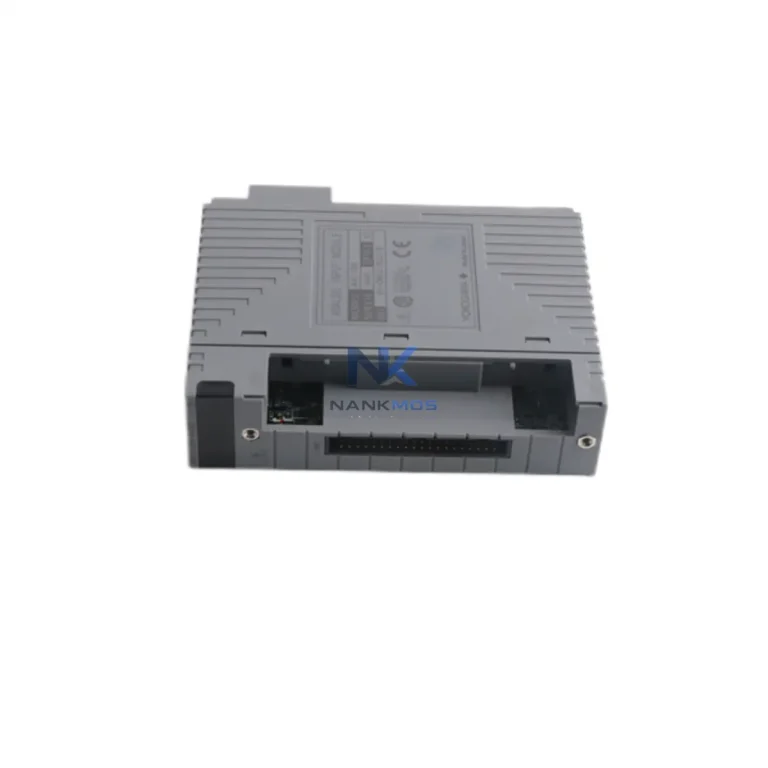
The Yokogawa ADV151-P10 is a high-density digital input module engineered for the CENTUM VP distributed control system, delivering reliable field signal acquisition across complex industrial environments. Designed to serve as a critical node in the plant-wide data chain, the ADV151-P10 captures discrete on/off states from field instruments — including proximity sensors, limit switches, pressure switches, and flow detectors — and transmits structured digital data upstream to the CENTUM VP controller bus with deterministic, low-latency performance.
In a modern smart factory, the integrity of the data link between field devices and the control layer defines the responsiveness of the entire automation architecture. The ADV151-P10 addresses this requirement by providing 16-channel digital input capacity with galvanic isolation, noise immunity, and tight integration with the CENTUM VP I/O bus protocol. Each channel status is continuously scanned and reported to the process controller, enabling real-time monitoring of equipment states, interlock conditions, and safety-critical signals without polling delays or data loss.
The module operates within the CENTUM VP field control station (FCS) framework, where it communicates over the Vnet/IP control network — Yokogawa's proprietary high-speed Ethernet-based process control network — ensuring that digital input data reaches the HIS (Human Interface Station) and SCADA layer with sub-second update cycles. This architecture supports seamless integration with Exaopc OPC server interfaces, enabling third-party SCADA platforms, MES systems, and data historians to consume live field status data without additional protocol conversion hardware.
For facilities deploying hybrid automation architectures, the ADV151-P10 can coexist within the same FCS chassis alongside analog input modules such as the AAI141-S and AAI143-S, analog output modules like the AAO141-S, and digital output modules including the ADV551-P10, allowing engineers to build compact, mixed-signal I/O stations that minimize cabinet footprint while maximizing channel density. The modular CENTUM VP I/O design also supports hot-standby redundancy configurations, where paired FCS controllers and redundant I/O modules maintain continuous operation even during single-point hardware failures — a requirement in refinery, chemical, and power generation applications.
Remote diagnostics capability is a core operational advantage of the ADV151-P10 within the CENTUM VP ecosystem. Through the Plant Resource Manager (PRM) asset management platform, maintenance engineers can remotely interrogate module health, review channel-level diagnostic flags, and identify wiring faults or signal anomalies without dispatching field personnel. This capability directly reduces mean time to repair (MTTR) and supports predictive maintenance workflows that align with IIoT and Industry 4.0 operational models.
The ADV151-P10 is also compatible with CENTUM VP's batch control and sequence control functions, making it suitable for pharmaceutical manufacturing, food and beverage processing, and specialty chemical production where discrete event sequencing — start/stop interlocks, valve position feedback, agitator status — must be tightly coordinated with continuous process control loops. Integration with the CENTUM VP SFC (Sequential Function Chart) engine allows the module's input channels to trigger state transitions, alarm conditions, and automated responses without operator intervention.
For system integrators building new CENTUM VP installations or expanding existing ones, the ADV151-P10 is available with full factory acceptance test (FAT) documentation, ensuring that each unit has been verified against Yokogawa's manufacturing specifications prior to shipment. Stock is maintained for prompt delivery, and all units are covered by a 12-month warranty from the date of shipment, supporting project timelines and commissioning schedules in capital-intensive automation projects.
The ADV151-P10 sits at the signal acquisition layer of the CENTUM VP data architecture, where it collects discrete field states and feeds them into a structured data flow that spans from the process floor to the enterprise network. Field instruments — including inductive proximity sensors, mechanical limit switches, and digital pressure transmitters — connect directly to the module's 16 input channels. The module continuously scans these channels and forwards structured digital state data to the CENTUM VP FCS processor over the internal I/O bus.
Within the FCS, the ADV151-P10 data is processed alongside signals from analog input modules such as the AAI141-S (handling 4–20 mA process variable inputs from temperature transmitters and flow meters) and the AAI143-S (supporting HART-enabled field instruments for simultaneous digital and analog communication). The FCS controller executes control logic — including PID loops, interlocks, and sequential functions — and publishes updated process data to the Vnet/IP control network.
Upstream, the Vnet/IP network connects the FCS to the CENTUM VP HIS workstations, where operators monitor real-time process graphics, acknowledge alarms, and issue manual control commands. The same network feeds the Exaopc OPC DA/UA server, which exposes live process data to third-party SCADA platforms, data historians, and MES systems. For facilities using Yokogawa's FAST/TOOLS SCADA or integrating with Wonderware, iFIX, or Ignition platforms, the OPC interface provides a standardized data bridge without requiring custom protocol drivers.
For remote monitoring and diagnostics, the CENTUM VP system connects to the plant intranet or secure WAN through the Vnet/IP gateway, enabling remote HIS access and PRM asset management sessions. Maintenance engineers can remotely review ADV151-P10 channel diagnostics, check module health registers, and correlate input state changes with alarm histories — all without physical access to the control cabinet. This remote diagnostic capability is particularly valuable in geographically distributed facilities, offshore platforms, and unmanned substations where on-site maintenance visits are costly and time-consuming.
For edge connectivity and IIoT integration, the CENTUM VP architecture supports connection to Yokogawa's OpreX Asset Management and Integrity solutions, as well as third-party edge gateways that aggregate OPC UA data streams for cloud-based analytics platforms. Digital output modules like the ADV551-P10 work in parallel with the ADV151-P10 to close control loops — receiving commands from the FCS and actuating field devices such as solenoid valves, motor starters, and indicator lamps — completing the bidirectional data flow between the control system and the physical process.
Industrial automation sites frequently encounter data integrity challenges that undermine process visibility and operational efficiency. The ADV151-P10, within the CENTUM VP framework, directly addresses several of these systemic issues.
Protocol Fragmentation: Legacy plants often operate with a mix of proprietary fieldbus protocols — FOUNDATION Fieldbus, PROFIBUS DP, DeviceNet, and Modbus RTU — alongside newer Ethernet-based systems. The CENTUM VP architecture addresses this through dedicated fieldbus interface modules and the Exaopc OPC server layer, which normalizes data from heterogeneous sources into a unified process data namespace accessible to SCADA and MES systems. The ADV151-P10 contributes discrete field state data to this unified namespace, eliminating the need for standalone protocol converters at the digital input layer.
Data Silos and Production Transparency: In facilities where control system data is isolated from business intelligence platforms, production managers lack real-time visibility into equipment states, batch progress, and interlock conditions. The ADV151-P10's integration with the CENTUM VP OPC server layer enables direct data feeds to manufacturing execution systems and ERP platforms, breaking down the barrier between the control layer and the enterprise network and supporting real-time production dashboards and KPI tracking.
Remote Monitoring Gaps: Distributed production sites and unmanned facilities face significant challenges in maintaining continuous process oversight. The CENTUM VP remote HIS capability, combined with PRM asset management, allows the ADV151-P10's channel states and module health data to be monitored from centralized control rooms or remote engineering workstations, reducing the operational risk associated with unattended process areas.
Alarm Management and Traceability: Unstructured alarm floods and poor alarm traceability are persistent challenges in complex DCS environments. The CENTUM VP alarm management framework captures ADV151-P10 input state changes as timestamped alarm events, supporting root cause analysis, regulatory compliance reporting, and continuous improvement initiatives.
System Scalability: As production capacity expands, the modular CENTUM VP I/O architecture allows additional ADV151-P10 modules and other I/O types to be added to existing FCS stations without system downtime, supporting phased capacity expansion without the cost and risk of full system replacement.
Q1: What communication protocol does the ADV151-P10 use within the CENTUM VP system?The ADV151-P10 communicates over the CENTUM VP internal I/O bus, with process data transmitted upstream via Yokogawa's Vnet/IP high-speed Ethernet control network. For SCADA and third-party system integration, data is exposed through the Exaopc OPC DA/UA server interface, supporting standard OPC client connections without additional protocol conversion hardware.
Q2: Can the ADV151-P10 support redundant configurations for high-availability applications?Yes. The ADV151-P10 is compatible with CENTUM VP hot-standby FCS redundancy configurations. In a redundant FCS setup, the primary and secondary controllers continuously synchronize process data, and in the event of a primary controller failure, the secondary assumes control without process interruption. This architecture is recommended for critical applications in refining, petrochemical, and power generation facilities.
Q3: How is remote diagnostics performed for the ADV151-P10 in a live plant environment?Remote diagnostics for the ADV151-P10 are performed through Yokogawa's Plant Resource Manager (PRM) asset management platform. PRM provides channel-level diagnostic data, module health status, and historical fault logs accessible from any authorized engineering workstation on the plant network. Diagnostic sessions do not interrupt normal module operation, allowing maintenance engineers to assess module condition during live production without process risk.
Q4: What warranty and pre-shipment testing does the ADV151-P10 include?All ADV151-P10 units supplied by NANKMOS are covered by a 12-month warranty from the date of shipment. Each unit undergoes factory acceptance testing (FAT) prior to dispatch, verifying channel integrity, isolation performance, and communication functionality against Yokogawa's manufacturing specifications. FAT documentation is available upon request to support project commissioning and quality assurance requirements.
Functional Inspection100% tested on professional platforms to ensure stable performance.
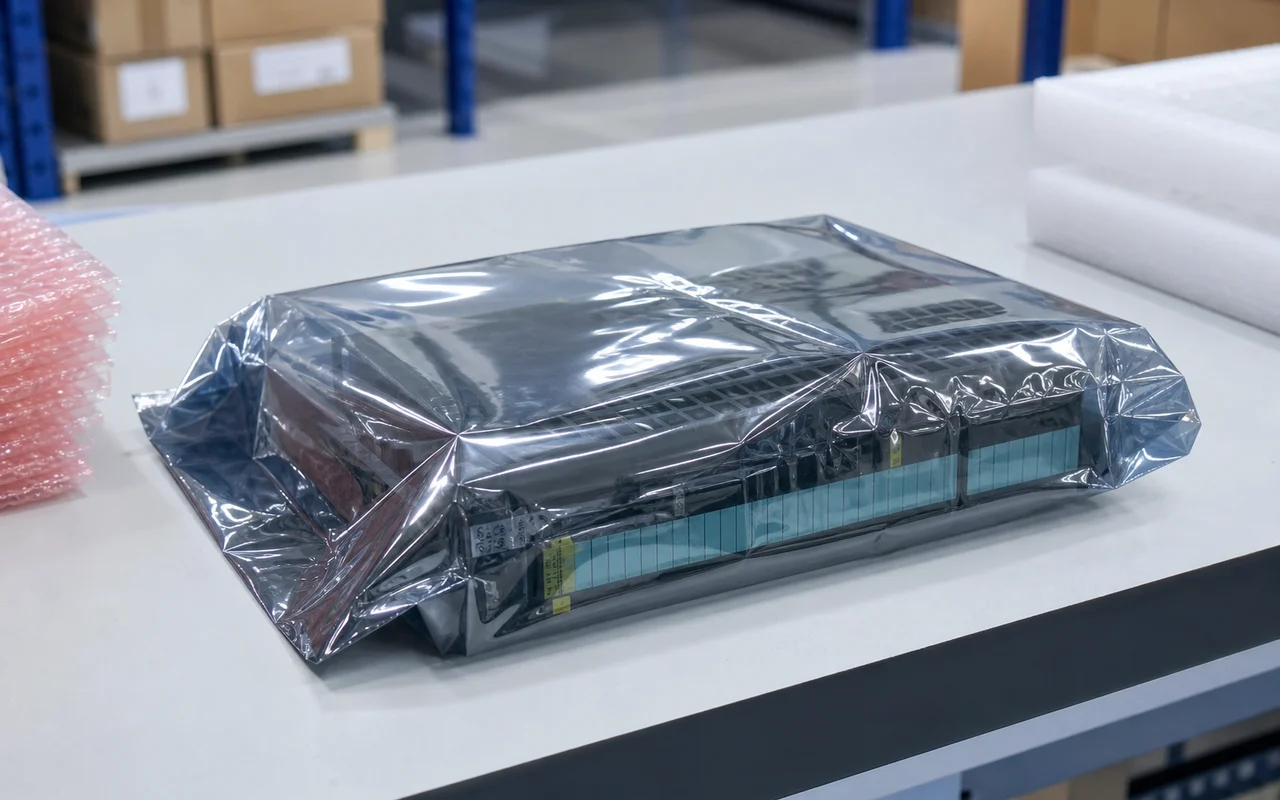 Anti-static Packaging
Modules are packed in anti-static bags to prevent electrostatic damage.
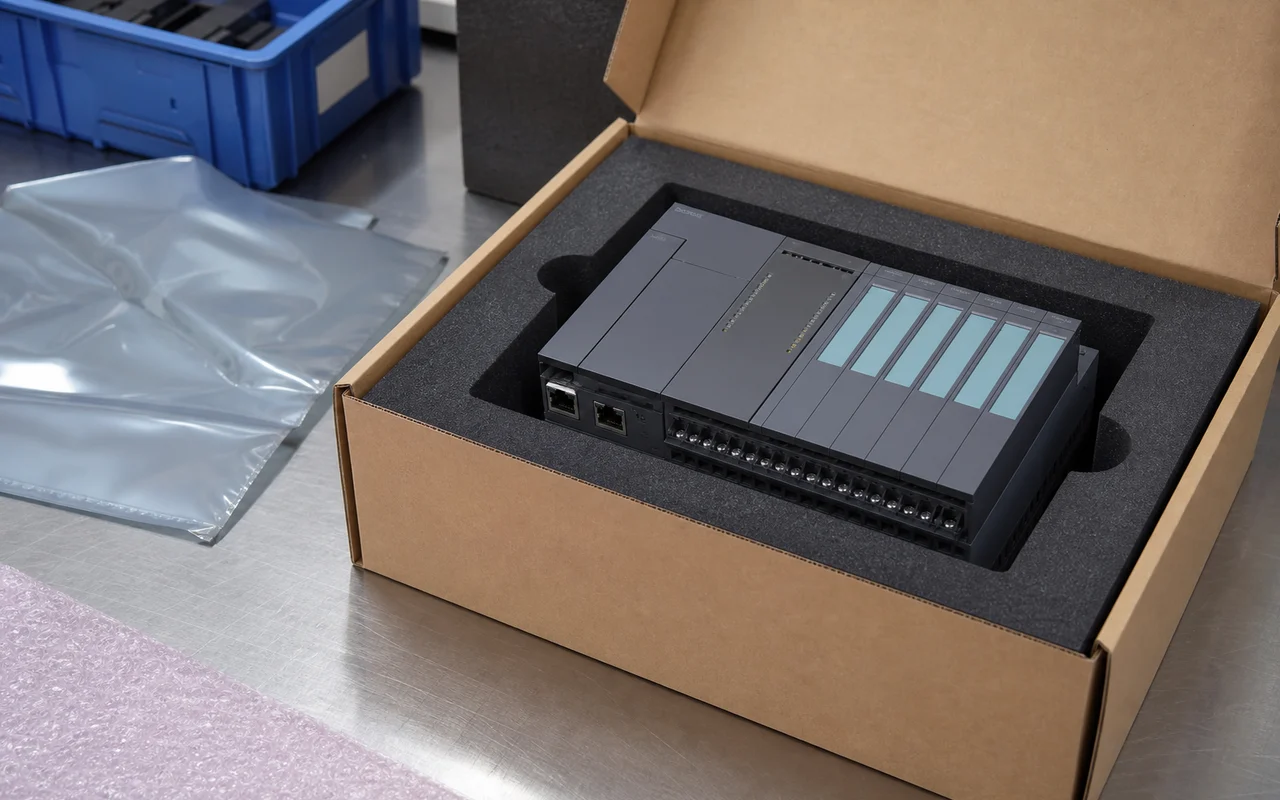 Secure Export Packing
Cushion protection and strong cartons ensure safe transportation.
 Worldwide Shipping
Global logistics network supports air, sea and express delivery.
 Documentation Check
Part number, revision and compatibility verified before shipment.
 After-sales Support
Professional technical support to help resolve your issues.