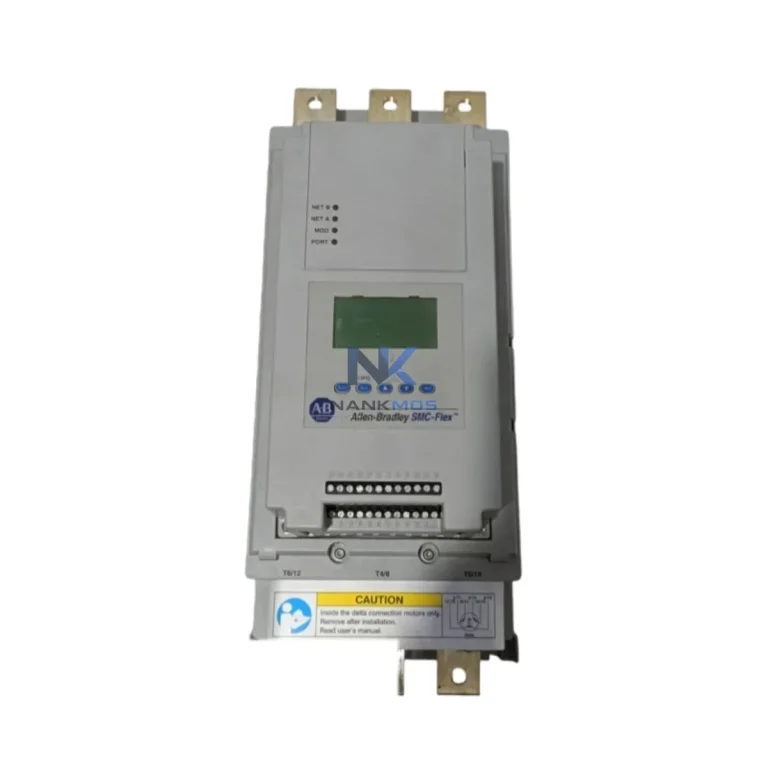
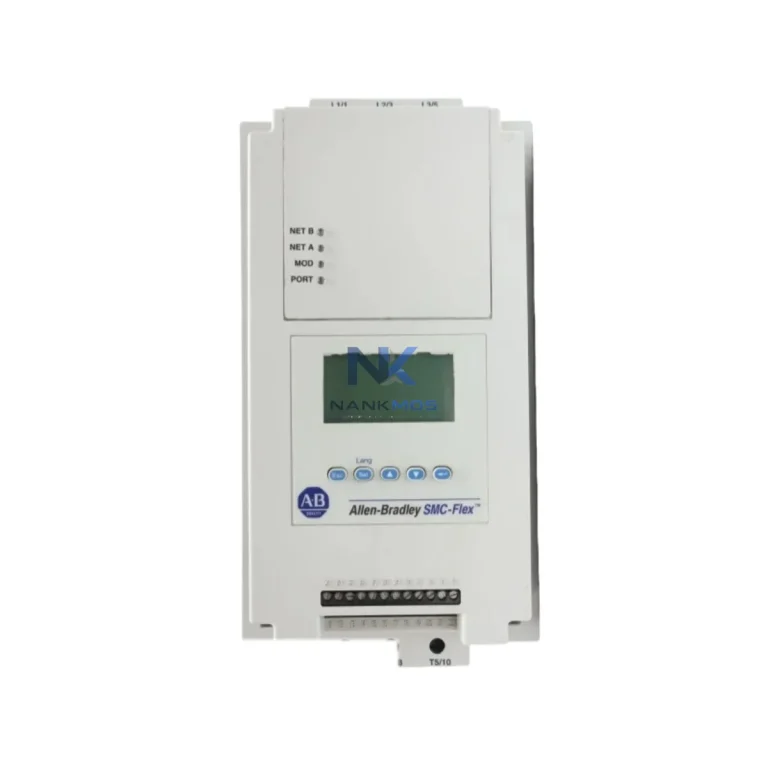
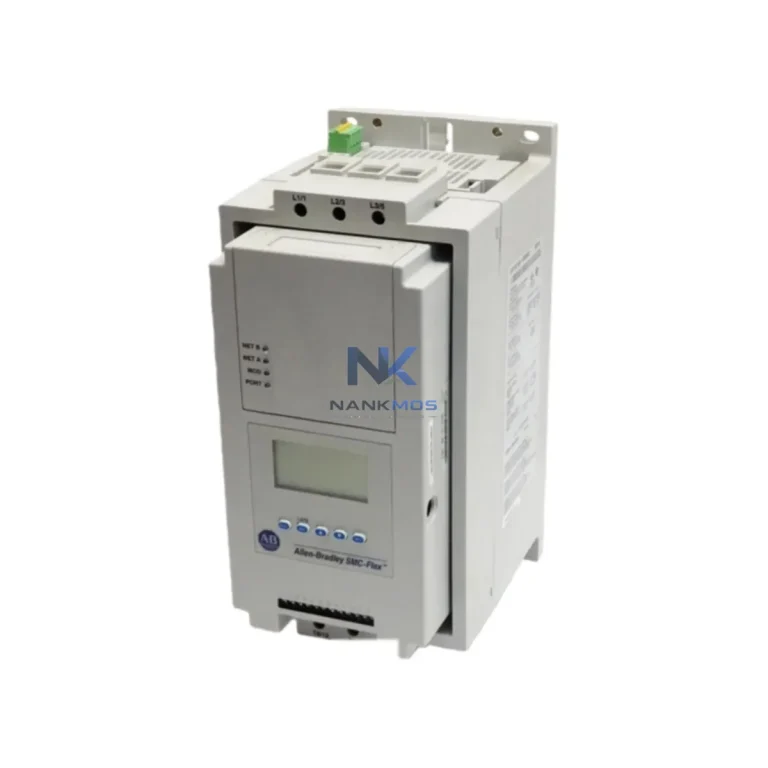
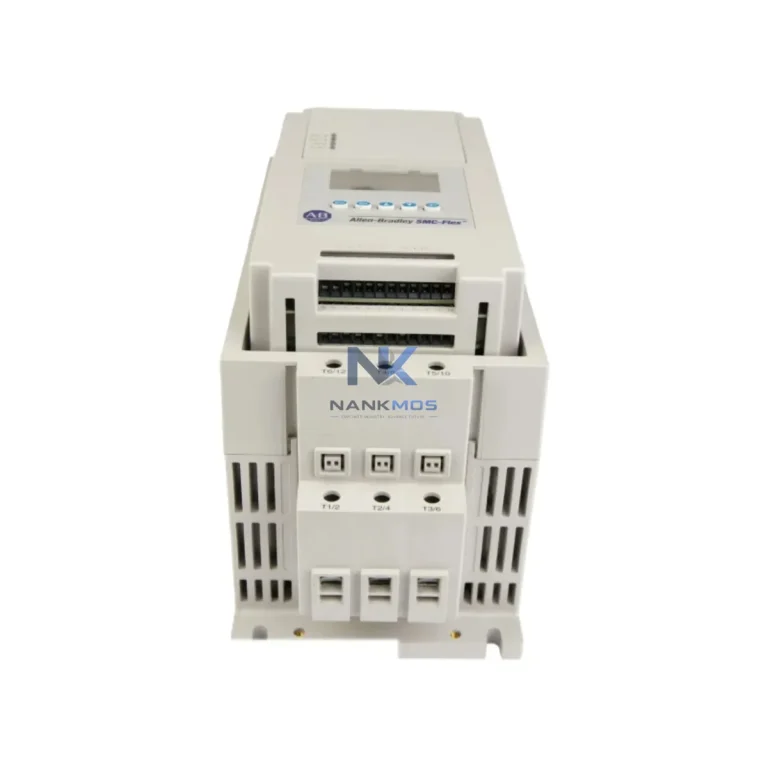
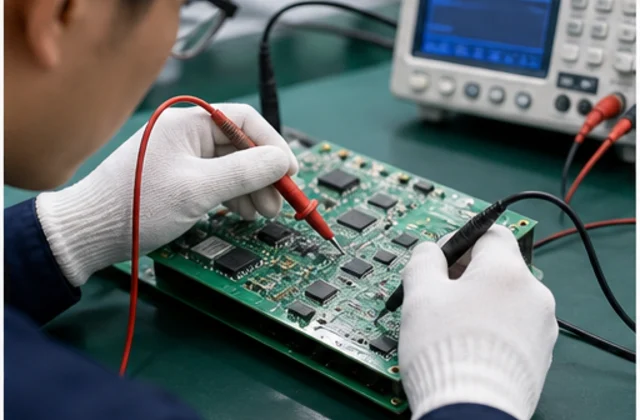
 Functional Inspection
100% tested on professional platforms to ensure stable performance.
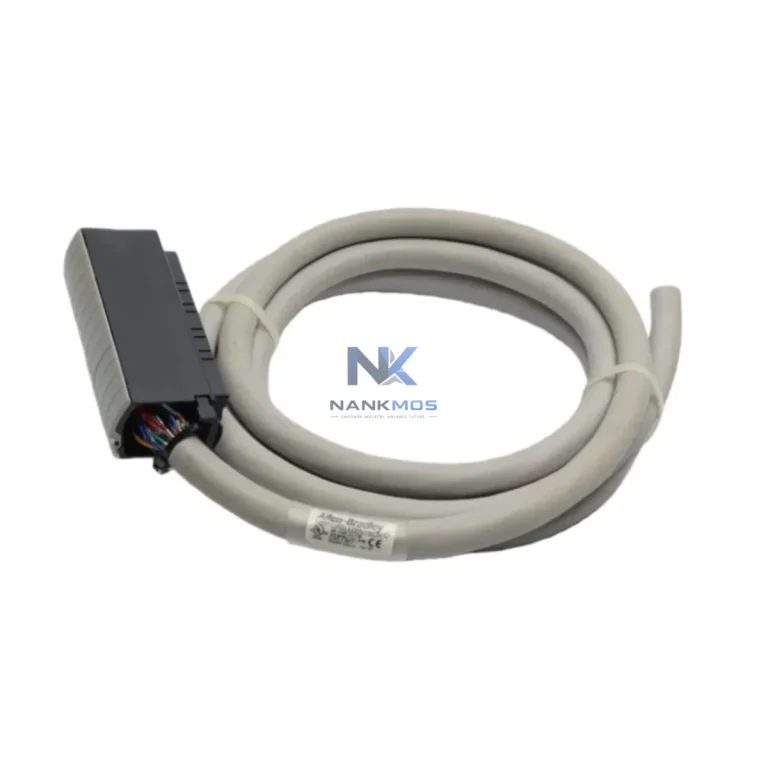
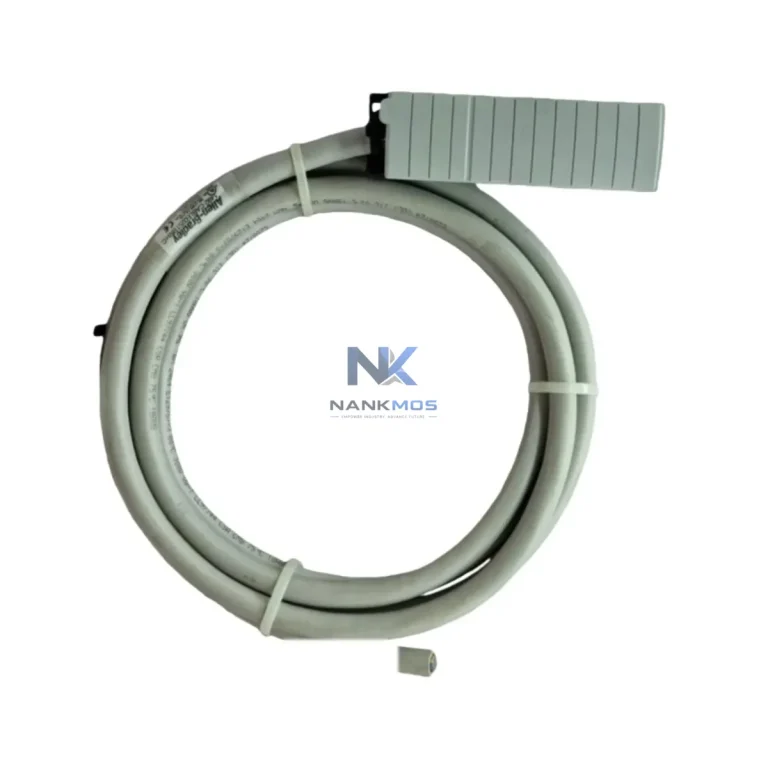
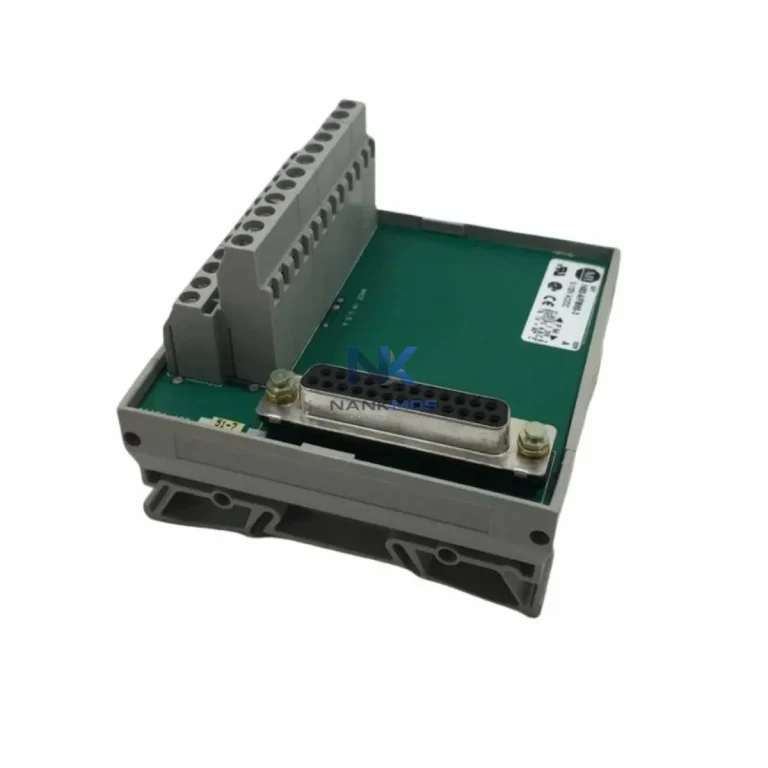
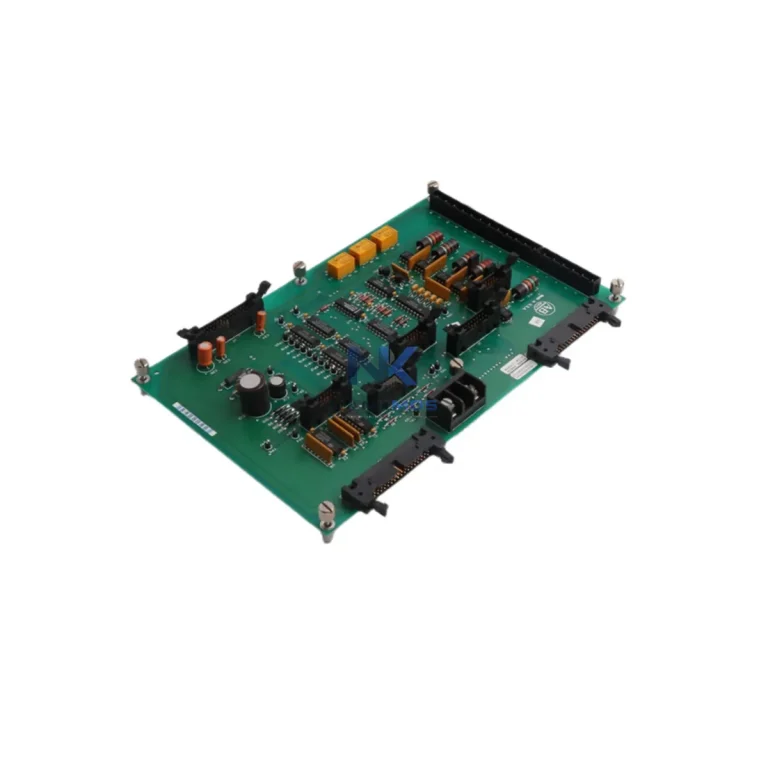
Allen-Bradley 1771-IG is a NANKMOS industrial automation product record Listed under PLC-5 series and Business & Industrial > Automation, Control & Flow Devices > Programmable Logic Controllers. Confirm condition, availability, lead time, compatibility and documentation by email inquiry.
Brand names are used for identification only.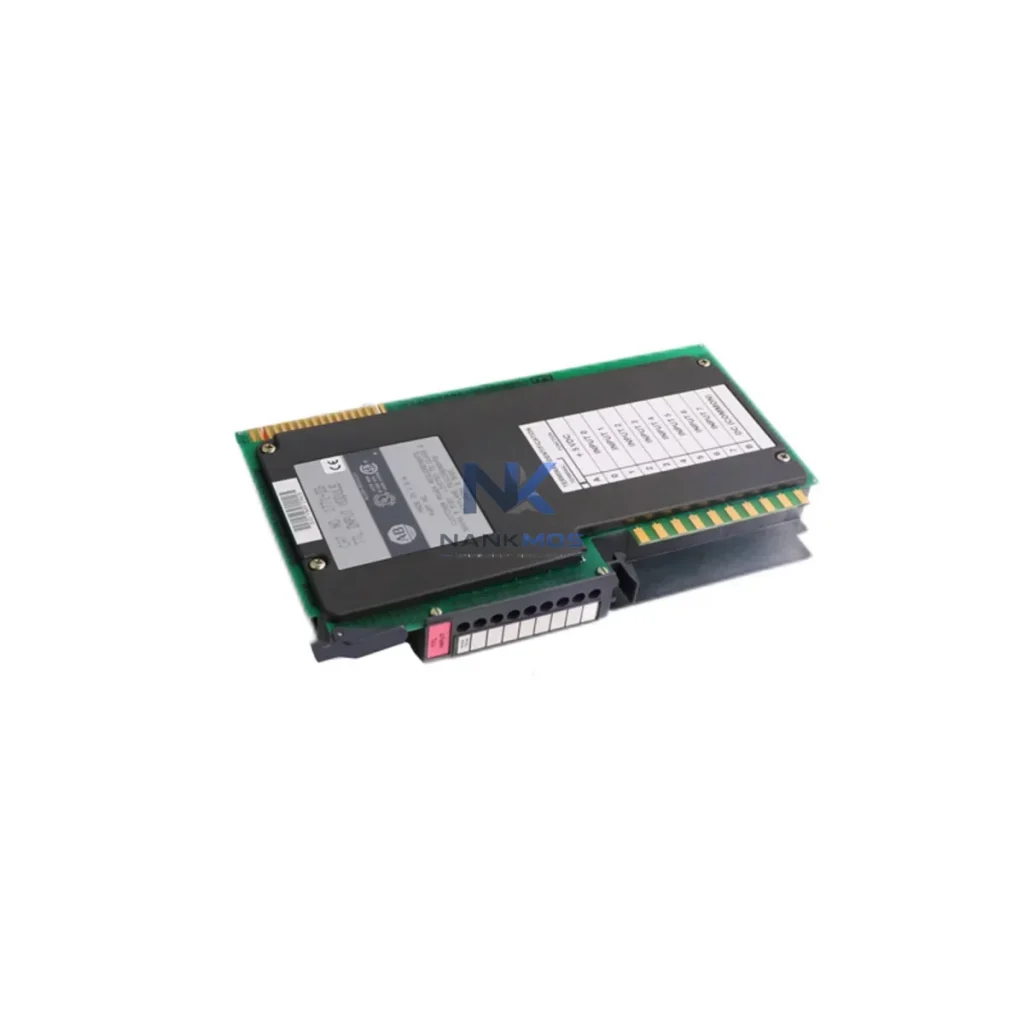
Allen-Bradley 1771-IG is a NANKMOS industrial automation product record Listed under PLC-5 series and Business & Industrial > Automation, Control & Flow Devices > Programmable Logic Controllers. Confirm condition, availability, lead time, compatibility and documentation by email inquiry.
| Manufacturer | Allen-Bradley |
|---|---|
| Application | Controller Processing & System Control |
| Part Number / Model | 1771-IG |
| Compatible System | PLC-5 |
| Series | PLC-5 |
| Condition Options | To Confirm |
| Module Type | Controller / CPU Module |
| Warranty | 12 Months |
| Packaging | Anti-static Bag / Secure Box |
| Shipping Methods | DHL / FedEx / UPS / Air / Sea |
| Availability | To Confirm |
| Lead Time | To Confirm |
| Documentation | Part number and revision checked before quote |
The Allen-Bradley 1771-IG is a 16-point, 120VAC discrete input module engineered for the PLC-5 family of programmable logic controllers. Designed to operate within the 1771 I/O chassis, this module serves as a critical signal acquisition node in the control layer, converting field-level AC voltage signals into digital data that the PLC-5 processor can act upon in real time. Its role in the control architecture extends far beyond simple signal conversion — the 1771-IG is a foundational component that defines the reliability, signal integrity, and diagnostic transparency of the entire automation platform.
In a fully integrated PLC-5 control system, the 1771-IG occupies the I/O layer, working in close coordination with the processor module (such as the 1785-L40B or 1785-L80B), the 1771 I/O chassis backplane, and the power supply module (1771-P4S or 1771-P7). Its 16 discrete input channels accept signals from field devices including pushbuttons, limit switches, proximity sensors, and relay contacts, feeding structured digital data into the processor's scan cycle. This tight integration between the input module, backplane, and CPU ensures deterministic scan times and consistent ladder logic execution across the control architecture.
Signal flow within the 1771 platform begins at the field device, passes through the 1771-IG's optical isolation circuitry, and is transmitted across the 1771 backplane to the processor. This isolation architecture protects the CPU and communication modules from electrical noise, ground loops, and transient surges common in industrial environments such as motor control centers, switchgear panels, and high-voltage distribution systems. The result is a stable, noise-immune signal path that supports reliable process control even in electrically demanding applications.
From a system architecture perspective, the 1771-IG is typically deployed alongside complementary I/O modules including the 1771-OA (120VAC output module), 1771-IB (24VDC input module), and 1771-OBD (24VDC output module), forming a balanced I/O subsystem that covers both AC and DC field interfaces within a single chassis. For applications requiring analog signal acquisition, the 1771-IG is often paired with the 1771-IFE or 1771-IFM analog input modules, enabling mixed discrete-analog control strategies within the same backplane. This modular architecture allows engineers to configure the I/O chassis precisely to the demands of the process without over-provisioning hardware.
Communication between the PLC-5 processor and upstream SCADA or DCS systems is typically handled via the 1785-KA5 or 1771-KG communication modules, which support Data Highway Plus (DH+) and Remote I/O (RIO) protocols. The 1771-IG's data is made available to these communication layers through the processor's memory map, enabling real-time monitoring of field input states from operator workstations, historian servers, and HMI panels such as the PanelView 1000 or PanelView Plus 700. This end-to-end data visibility supports both operational transparency and predictive maintenance strategies.
In redundant control architectures, the 1771-IG can be deployed in mirrored I/O configurations where dual chassis are used to provide hot-standby input acquisition. This redundancy strategy is particularly relevant in critical process industries such as oil and gas, chemical processing, and power generation, where loss of input signal integrity can trigger unplanned shutdowns or safety system activations. The module's robust construction and proven field reliability make it a preferred choice for engineers designing fault-tolerant control systems with long operational lifecycles.
Installation and commissioning of the 1771-IG follows standard 1771 I/O procedures: the module is inserted into any available I/O slot in the 1771 chassis, the keying bands are configured to prevent incorrect module insertion, and the I/O address is assigned through the processor's I/O configuration table. Field wiring connects to the module's removable terminal block, which supports standard 14–22 AWG conductors. The module's LED status indicators provide immediate visual feedback on channel state and module health, simplifying commissioning and reducing troubleshooting time during startup.
Long-term maintenance of the 1771-IG is supported by its modular, hot-swap-compatible design within the 1771 chassis. Replacement modules can be sourced and installed without disturbing adjacent I/O modules or interrupting power to the chassis, minimizing maintenance windows and reducing the risk of collateral disruption. Each unit supplied by NANKMOS undergoes pre-shipment functional testing to verify channel-by-channel input response, isolation integrity, and backplane communication, ensuring that replacement modules perform identically to the original factory specification upon installation.
The 1771-IG achieves its full value when deployed as part of a cohesive PLC-5 automation platform. A typical integrated architecture built around this module includes the following components working in concert:
The 1785-L40B PLC-5/40 Processor serves as the central control engine, executing ladder logic programs that process the digital input data delivered by the 1771-IG across the 1771 backplane. Paired with the 1771-P4S Power Supply, the chassis receives regulated DC power for all installed I/O modules, ensuring stable operation across the full I/O complement. On the output side, the 1771-OA 120VAC Output Module mirrors the 1771-IG's voltage class, providing a matched AC I/O pair for motor starters, solenoid valves, and control relays in the same panel.
For mixed-signal applications, the 1771-IFE Analog Input Module extends the chassis's sensing capability to process variables such as temperature, pressure, and flow, while the 1771-OFE Analog Output Module closes the control loop to variable-speed drives and control valves. Communication to the plant network is managed by the 1785-KA5 DH+ Communication Module, which connects the PLC-5 processor to Data Highway Plus networks linking multiple controllers, SCADA servers, and programming terminals. For remote I/O drops, the 1771-ASB Remote I/O Adapter extends the 1771 I/O chassis to satellite panels located away from the main control cabinet.
At the HMI layer, PanelView Plus 700 operator terminals provide real-time visualization of input states, alarm conditions, and process trends derived from the 1771-IG's channel data. For signal conditioning in high-noise environments, Phoenix Contact MACX signal isolators are commonly installed between field devices and the 1771-IG's terminal block, providing an additional layer of galvanic isolation and signal normalization. This complete, layered architecture — from field device through I/O module, backplane, processor, communication network, and HMI — represents the full system context in which the 1771-IG delivers its operational value.
Manufacturing & Assembly Lines: In automotive and discrete manufacturing environments, the 1771-IG monitors conveyor position sensors, part-present detectors, and safety interlock switches, providing the PLC-5 processor with the real-time input data needed to sequence assembly operations, manage material flow, and enforce machine guarding logic.
Power Generation & Electrical Distribution: In power plant auxiliary systems and switchgear control panels, the 1771-IG acquires status signals from circuit breakers, disconnect switches, and protection relay contacts, enabling the PLC-5 to monitor electrical system topology and respond to fault conditions with appropriate control actions.
Oil, Gas & Petrochemical Processing: In upstream and downstream process facilities, the 1771-IG interfaces with field-mounted limit switches on valve actuators, high-level switches on storage vessels, and flow switches on pipeline segments, providing the discrete input data that drives process sequencing, emergency shutdown logic, and permissive interlock systems.
Water & Wastewater Treatment: Municipal and industrial water treatment facilities use the 1771-IG to monitor pump run/fail status, valve open/closed feedback, and level switch states across lift stations, filtration systems, and chemical dosing skids, supporting reliable automated operation with minimal operator intervention.
Mining & Minerals Processing: In conveyor drive systems, crusher controls, and ore processing circuits, the 1771-IG captures belt alignment switch signals, chute blockage detector outputs, and motor protection relay contacts, enabling the PLC-5 to implement coordinated start/stop sequences and protective shutdown logic across extended conveyor networks.
Q1: Is the 1771-IG compatible with all PLC-5 processor variants and 1771 chassis sizes? Yes. The 1771-IG is compatible with all PLC-5 processor variants (PLC-5/11, 5/20, 5/30, 5/40, 5/60, 5/80) and installs in any slot of any 1771 I/O chassis, including the 1771-A1B (4-slot), 1771-A2B (8-slot), 1771-A3B (12-slot), and 1771-A4B (16-slot) configurations. The module's I/O address is assigned through the processor's I/O configuration, not by physical slot position, providing full flexibility in chassis layout design.
Q2: Can the 1771-IG be replaced in a live system without shutting down the entire chassis? The 1771 I/O chassis supports module removal and insertion with chassis power applied, provided the processor is placed in Program mode or the affected I/O group is inhibited in the I/O configuration. NANKMOS recommends following Rockwell Automation's documented hot-swap procedures and verifying module keying before insertion to prevent incorrect module installation. Each replacement 1771-IG supplied by NANKMOS is pre-tested and ready for immediate installation, minimizing the duration of the maintenance window.
Q3: What warranty and supply continuity does NANKMOS provide for the 1771-IG? NANKMOS provides a 12-Month Warranty on all 1771-IG units, covering functional defects identified under normal operating conditions. Units are held in managed inventory to support both planned maintenance schedules and emergency replacement requirements, with expedited shipping available for critical applications. Pre-shipment testing includes full channel functional verification, optical isolation integrity checks, and backplane communication validation, ensuring that each unit meets operational specifications before dispatch. Contact [email protected] or +86 18359268345 for availability and lead time confirmation.
Functional Inspection100% tested on professional platforms to ensure stable performance.
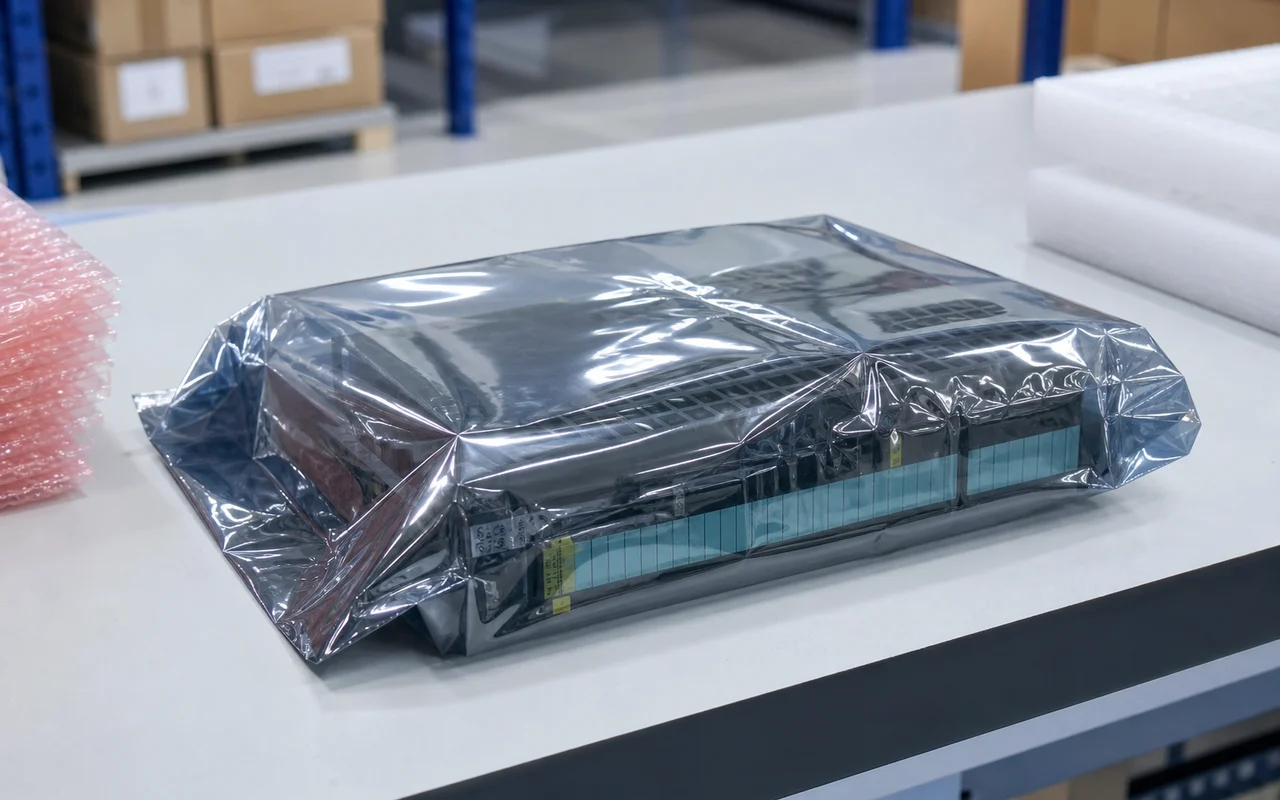 Anti-static Packaging
Modules are packed in anti-static bags to prevent electrostatic damage.
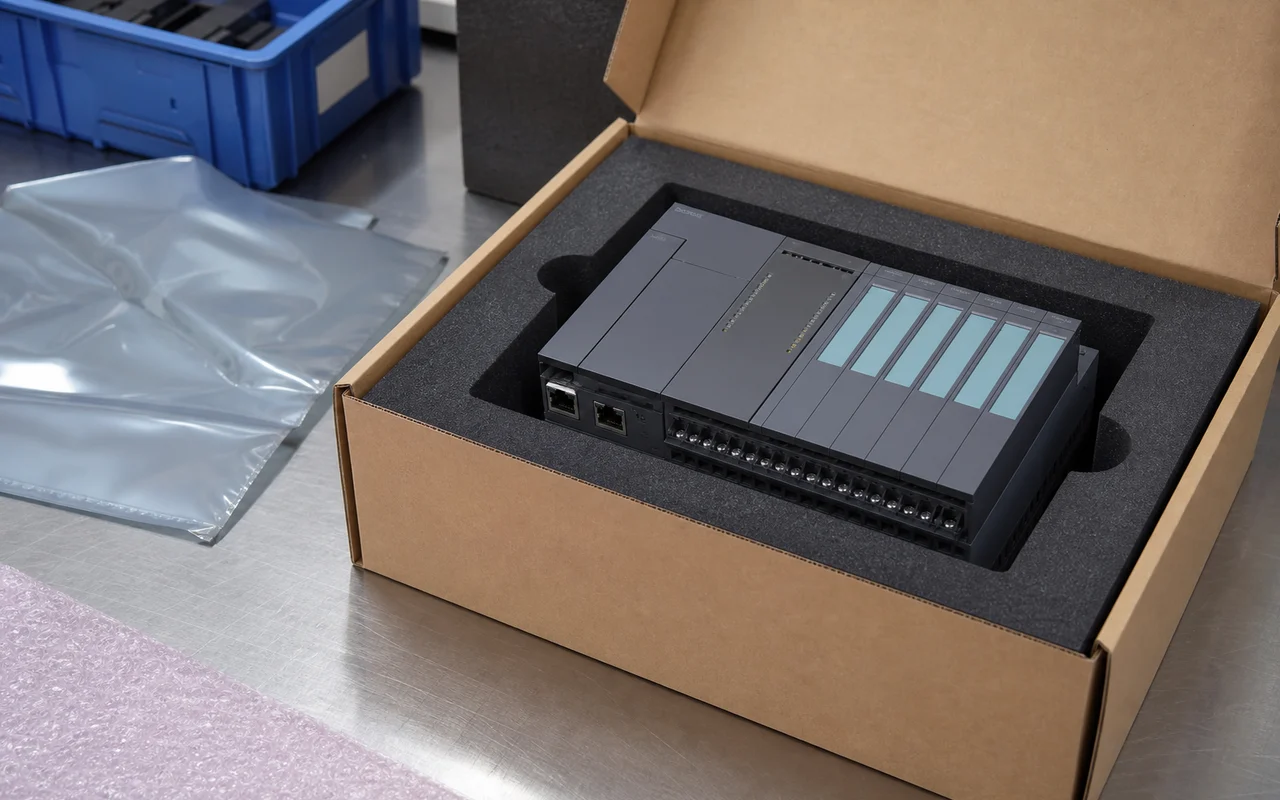 Secure Export Packing
Cushion protection and strong cartons ensure safe transportation.
 Worldwide Shipping
Global logistics network supports air, sea and express delivery.
 Documentation Check
Part number, revision and compatibility verified before shipment.
 After-sales Support
Professional technical support to help resolve your issues.